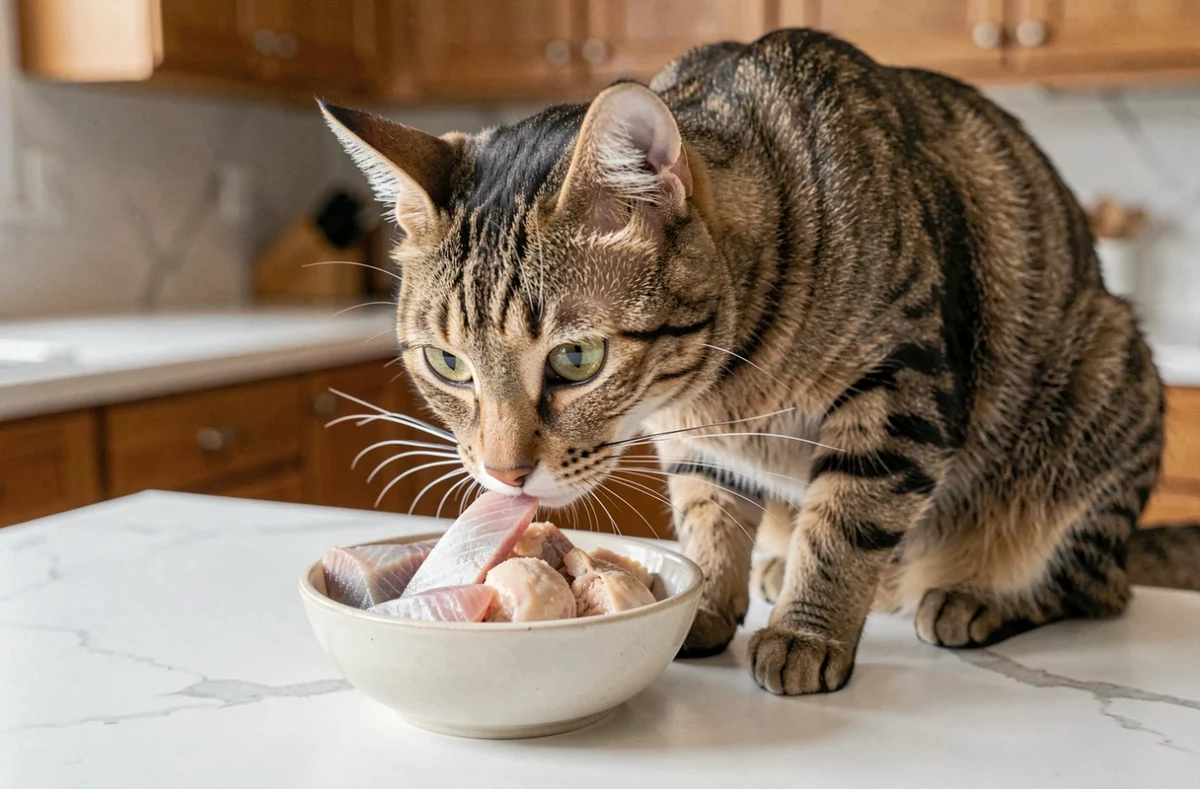
The domestic cat remains a strict carnivore whose body primarily digests proteins and animal fats. Understanding what cats like to eat involves going beyond generic food lists to focus on how smell, texture, and food format actually influence their choices.
Texture and water content: what matters more than flavor
Competitors pit meat, fish, and treats against each other without addressing a decisive factor: the format of the food alters caloric intake, not just the taste pleasure. A cat that eats wet food rich in water mechanically ingests fewer calories per bite than a cat fed exclusively on kibble.
This difference has direct consequences on weight management. A wet diet promotes satiety, while a very dense kibble bowl often encourages rapid and repeated consumption. Field reports vary on this point: some cats prefer dry texture, while others categorically refuse kibble when offered a pâté.
To delve deeper into feline food preferences, Cani Essence’s advice details the foods that cats enjoy the most according to their profile.
The case of freeze-dried foods
Freeze-dried treats and supplements appeal to many owners who see them as a compromise between convenience and nutritional quality. A non-rehydrated freeze-dried food remains low in water. As long as no water is added before serving, its hydration contribution is negligible.
The acceptance of the rehydrated texture varies from cat to cat. Some felines love this soft consistency, while others shun it. Testing at home remains the most reliable method to determine if your cat will accept it.
Animal proteins and meat: why smell decides before taste
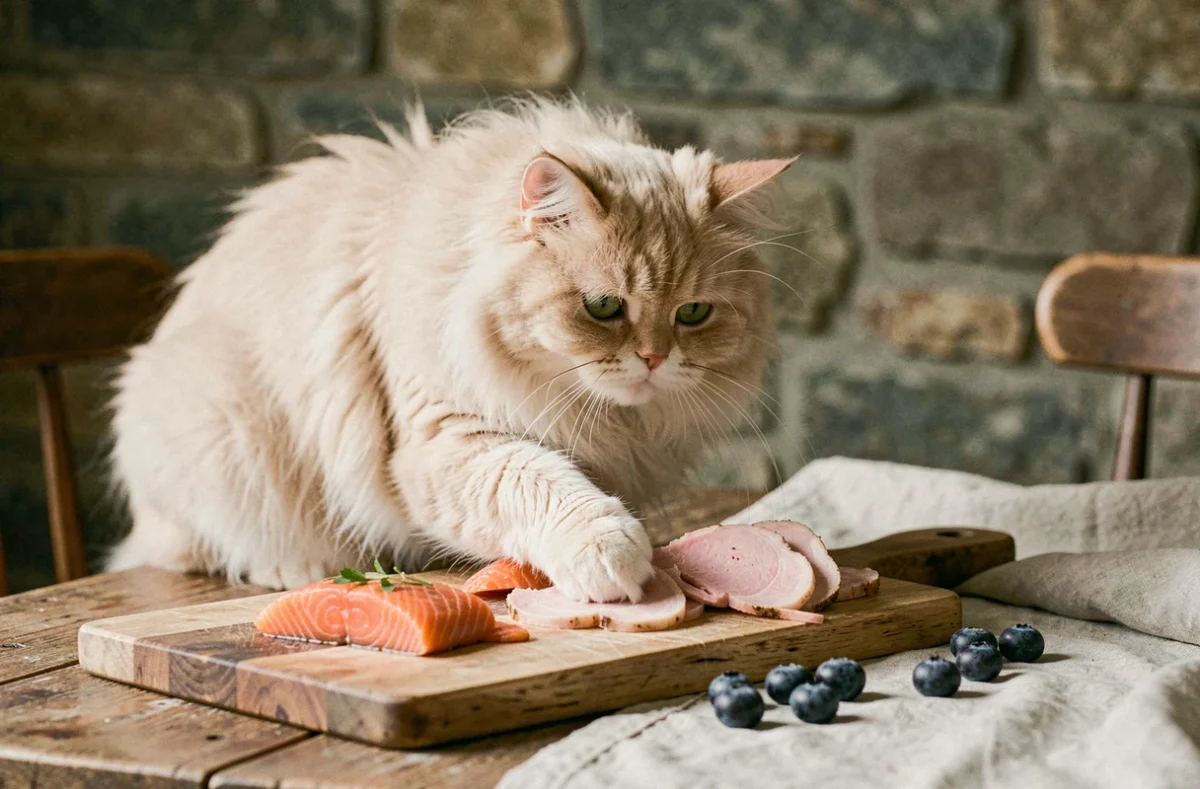
The cat has far fewer taste buds than humans. However, its sense of smell plays a crucial role in selecting its food. It is the smell, not the taste, that triggers the cat’s appetite.
Cooked meat (chicken, beef, lamb) and fish emit rich aromas of amino acids that the cat detects from a distance. This mechanism explains why a seemingly sleeping feline springs into action as soon as a can of tuna is opened or salmon is cooked.
Offal and muscle meats: an unexpected hierarchy
Offal such as liver and kidneys are among the foods that generate the most interest in cats, sometimes even more than classic meat cuts. This attraction is due to the high concentration of proteins and fats in these organs.
An excess of offal, particularly liver, can lead to poisoning due to an excess of vitamin A. Caution dictates that they should only be offered in very small amounts and occasionally. Offal does not replace a complete and balanced food.
Treats and extras: the rule of daily calories
Giving a piece of grilled chicken, a shrimp, or a bit of cheese seems harmless. Recent veterinary recommendations urge considering each extra as a fraction of the total caloric intake, rather than just a simple treat without consequence.
- Treats, toppers, and unbalanced foods should not exceed one-tenth of the cat’s daily calories, according to guidelines shared by veterinarians.
- A piece of tuna or salmon given every day eventually disrupts the overall nutritional intake, even if the cat loves it.
- Dairy products (cheese, yogurt) attract some cats but can cause digestive issues in those who do not tolerate lactose, which affects a large proportion of adult felines.
Respecting this limit protects the cat’s health without depriving it of all food pleasure. It is enough to weigh the extras or estimate their volume in relation to the main bowl.
Raw food for cats: an open health debate
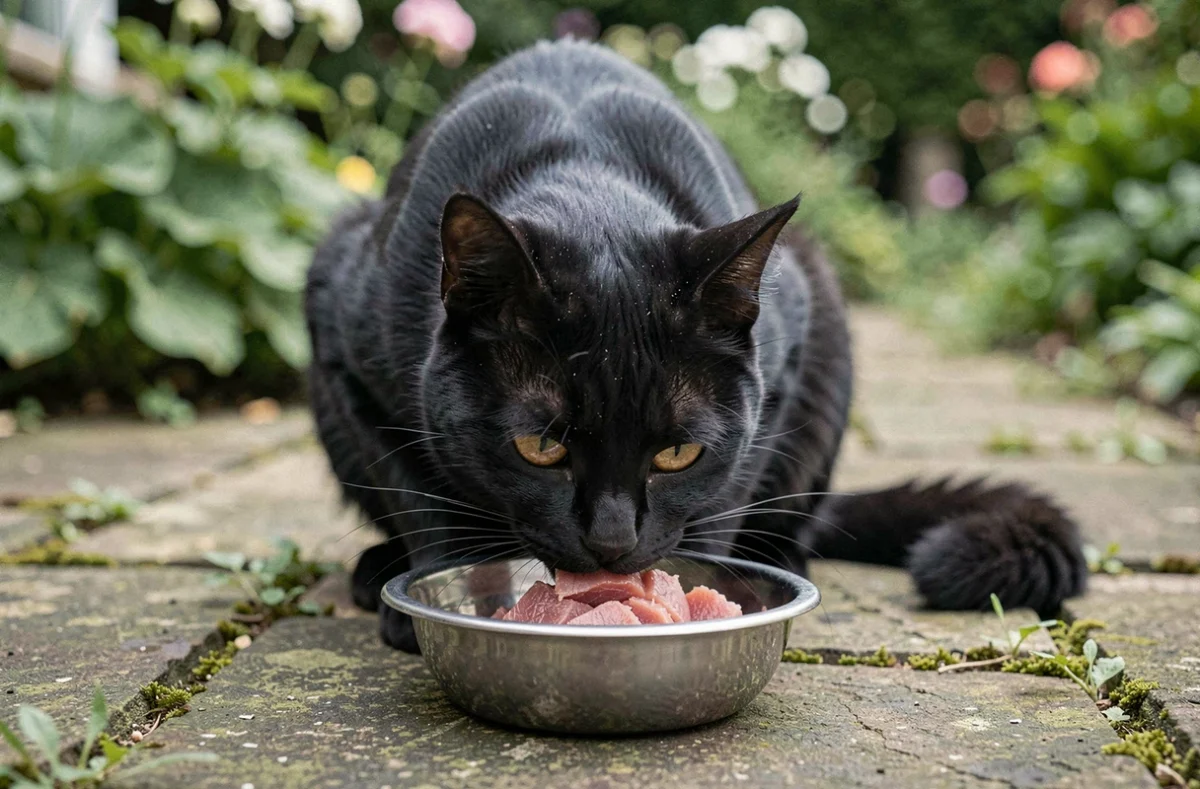
Raw diets (meat, fish, raw offal) are gaining popularity among owners who wish to get closer to the cat’s natural diet. The health issue goes beyond the simple question of taste preference.
Raw meat can carry pathogenic bacteria (salmonella, Listeria) that are dangerous for both the cat and the humans in the household. The available data does not allow for a conclusion that a raw diet provides superior nutritional benefits compared to a quality cooked food.
Current veterinary recommendations lean towards a cooked food labeled as complete and balanced. For owners who wish to offer fresh meat, light cooking preserves a good portion of nutrients while reducing bacterial risk.
Testing your cat’s preferences at home
Tests conducted in the cat’s familiar environment yield more representative results than generic rankings. Food preferences vary greatly from one individual to another. One cat may love fish and another may refuse it depending on the texture or serving temperature.
- Offering two foods side by side for a few days allows for observing a reliable trend.
- Temperature matters: food taken out of the refrigerator is often rejected, while the same food at room temperature will be accepted.
- Sudden changes in food often lead to refusal. A gradual transition over several days facilitates acceptance.
The idea of a universal ranking of cats’ favorite foods does not hold up to individual observation. The only reliable method remains patient experimentation, varying textures, proteins, and formats while respecting caloric limits suited to each animal’s weight and activity level.