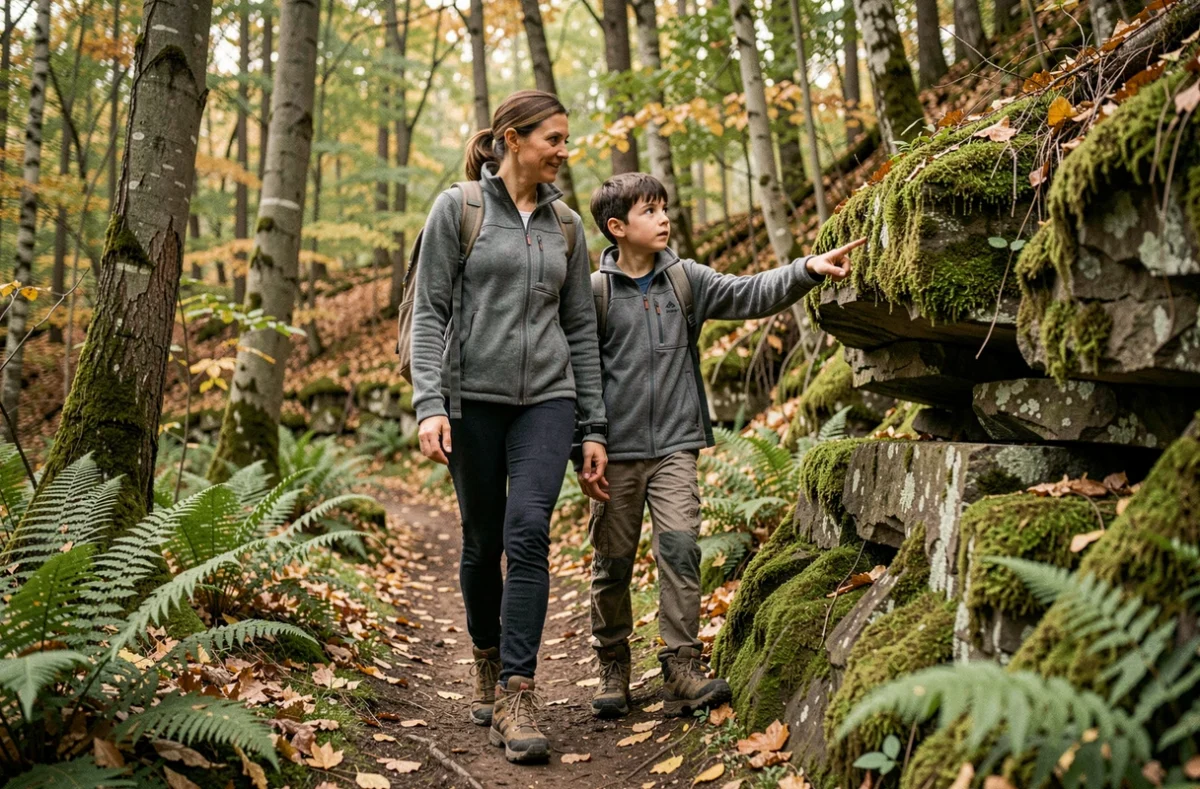
Between hiking in state forests, kayaking on a medium mountain river, and observing insects in a public garden, nature activities cover a wide spectrum. Their common point: they adapt to very different audiences, from young children to seniors, as long as the right format is chosen. What criteria truly distinguish these outdoor leisure activities, and how can they be compared based on age, season, or level of accessibility?
Nature Activities Compared by Age Group and Format
The choice of an outdoor leisure activity depends less on the available catalog than on the compatibility between the activity format and the target audience. A sensory trail in the undergrowth does not engage the same abilities as a canoe outing on a whitewater course.
| Type of Activity | Suitable Age | Average Duration | Physical Level | Preferred Season |
|---|---|---|---|---|
| Sensory walk in the forest | 3-10 years | 1 to 1.5 hours | Low | Spring, autumn |
| Hiking in medium mountains | 8 years and older | Half a day to a full day | Moderate to strenuous | Spring, early summer |
| Kayaking or canoeing on calm water | 6 years and older | 2 to 3 hours | Moderate | Summer |
| Naturalist observation (birds, insects) | All ages | 1 to 2 hours | Very low | All year round |
| Cycling on greenways or forest paths | 5 years and older | 2 hours to a full day | Moderate | Spring, summer |
| Land art or nature creation | 3-12 years | 1 to 2 hours | Very low | All year round |
This table highlights a often overlooked point: activities with low physical demands can be practiced year-round, while water or mountain leisure activities remain seasonal. For a multigenerational family, naturalist observation or sensory walks offer the best compromise.
A directory of activities categorized by type of leisure is available at https://loisirs-verts.fr/, with filters by region and audience.
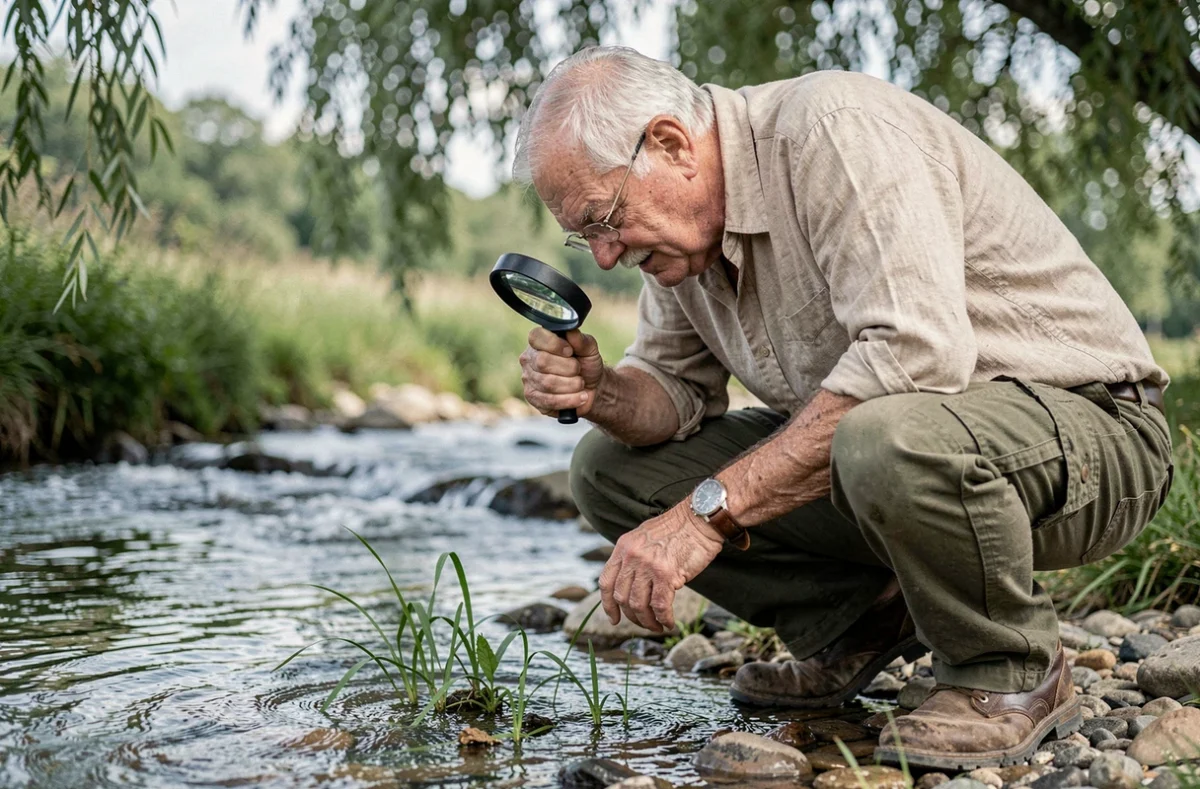
Slow Stays in Nature: Why the Stationary Format is Growing
Family nature leisure is evolving towards less itinerant formats. Staying several nights in the same place (cottage, camping, bivouac) allows children to explore a location in depth rather than changing scenery every day. An analysis published in September 2026 by the community of communes of Mirebalais, based on a DERTOUR trend report, documents this shift.
The stationary stay allows time for repeated observation of the same environment. A child who returns three mornings in a row to the same stream will notice species that a single visit does not reveal. This format also reduces fatigue related to transportation, a common barrier for families with young children or grandparents.
Activities Compatible with a Fixed Stay
- Short daily outings in the forest or by a watercourse, returning to the same accommodation, suitable for children from three years old
- Land art or botanical collection workshops that enrich day by day as the child identifies new elements
- Star hikes from a base camp, where the level of difficulty varies according to the group’s participants
The stationary format presents a logistical advantage for families: a single accommodation location to book, fewer bags to move, and the ability to adjust the pace according to the weather or the group’s fatigue.
Spring and Early Summer in the Mountains: An Underutilized Window
The mountains in July-August attract the majority of visitors. The 2025 mountain barometers from Atout France and data from the ANMSM show that spring and early summer are becoming significant periods of attendance in medium mountains. Temperatures are often milder than in mid-summer, and the trails are less crowded.
Hiking, cycling, and whitewater sports are among the activities highlighted during this period. For a family group, medium mountains in spring combine routes accessible from eight years old with landscapes in full bloom, enriching naturalist outings.
However, some refuges and providers of guided activities only open from mid-June. Checking opening dates before planning a stay remains necessary to avoid a trip without available guidance.

Accessibility of Nature Leisure: A Chain to Verify from Start to Finish
Offering an adapted outdoor activity is not enough if transportation, accommodation, or sanitation do not follow suit. The publication Accessible Tourism, released in May 2025 by the association Tourism and Disabilities and the DMA, details this complete chain logic.
Accessibility includes prior information, pathways, welcome, and mediation. A natural park may have a trail suitable for wheelchairs, but if the nearest parking is several hundred meters away on an unpaved path, the activity remains practically inaccessible.
Points to Check Before a Nature Outing in a Mixed Group
- Nature of the trail surfaces: stabilized dirt, wooden walkways, or fine gravel allow passage for wheelchairs and all-terrain strollers
- Presence of accessible sanitation near the activity site, not just at the entrance of the site
- Availability of sensory mediation (braille panels, tactile paths, audioguides) for individuals with visual impairments
- Accessible information online before the visit: site map, elevation profile of the route, contact details of an accessibility reference
Adapted water leisure activities are also progressing: solutions exist for boarding a kayak or canoe from a wheelchair, provided the provider has the appropriate transfer equipment.
Choosing a nature activity for a multigenerational group or including individuals with reduced mobility means auditing each link in the chain, from parking to return. A single failing link makes the entire route impractical. Detailed sheets by site, when they exist, remain the most reliable way to anticipate these constraints before departure.