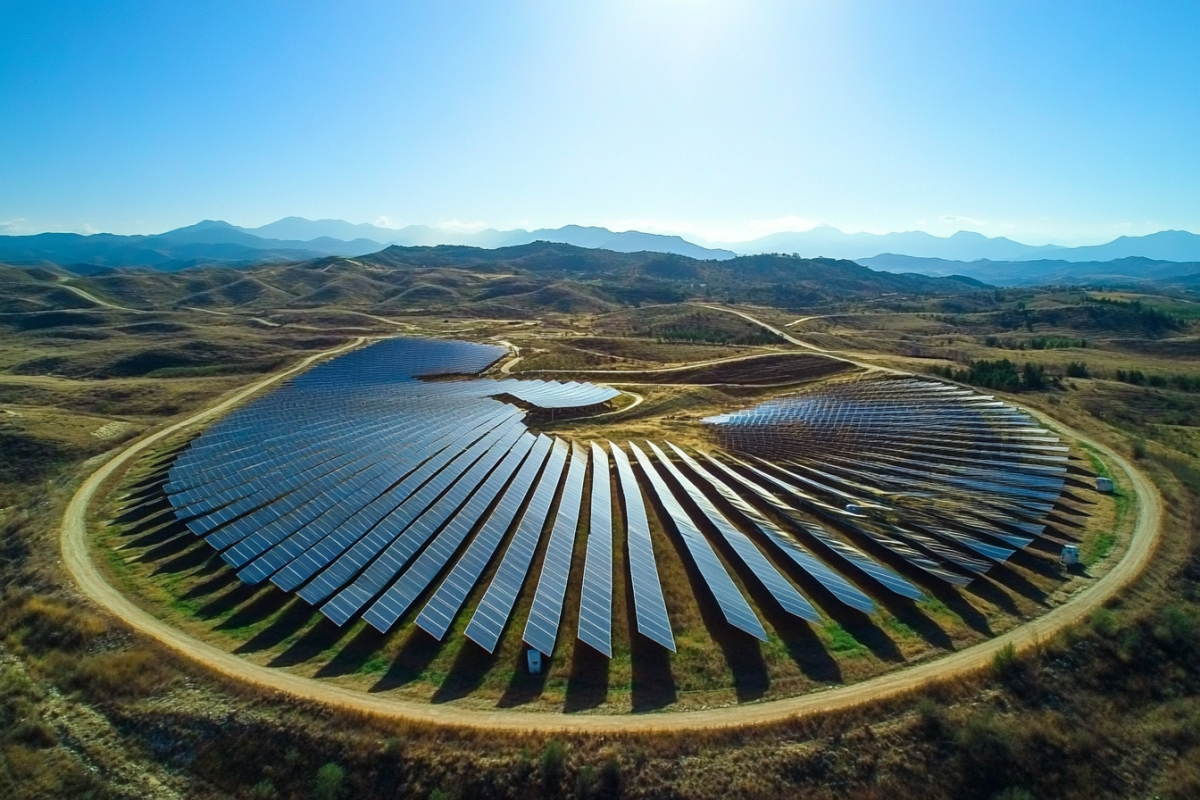
In the face of current energy challenges, the use of renewable sources is becoming a global priority. Solar panels, by capturing the inexhaustible energy of the sun, offer a solution that is both sustainable and efficient. By transforming sunlight into electricity, these devices play a key role in the energy transition, allowing not only for a reduction in carbon emissions but also for a decrease in dependence on fossil resources. Their implementation, both on an individual and industrial scale, represents a significant step towards a cleaner and more environmentally friendly energy future.
How Solar Panels Work
Understanding how solar panels work is essential to appreciate their efficiency and potential. These devices, primarily composed of photovoltaic cells, capture the energy from the sun and convert it into usable electricity.
- Photovoltaic cells: Made primarily of silicon, they are the heart of solar technology. When sunlight strikes these cells, it releases electrons, generating an electric current.
- Energy conversion: The direct current produced by the cells is converted into alternating current by an inverter, making the electricity compatible with domestic electrical grids.
- Efficiency: Although dependent on various factors such as orientation and sunlight exposure, the efficiency of panels can reach up to 20% under optimal conditions, which is sufficient to significantly reduce energy bills.
Environmental and Economic Benefits
The installation of solar panels offers numerous benefits, both for the environment and the economy. By investing in this technology, individuals and businesses contribute to a collective effort to preserve our planet.
The positive environmental impacts are numerous. Firstly, solar panels reduce greenhouse gas emissions, thus contributing to the fight against climate change. Secondly, unlike fossil fuels, they require very little water to operate, which is a considerable advantage in drought-prone regions.
From an economic standpoint, self-consumption allows for substantial savings on electricity bills. Additionally, thanks to tax incentives and government aid, the initial installation cost is becoming increasingly affordable. Finally, investing in solar energy can increase property value, making properties more attractive on the market.
Challenges and Perspectives
Despite their many advantages, solar panels must overcome certain obstacles to maximize their potential. These challenges, primarily technological and logistical, require special attention to ensure widespread adoption.
- Energy storage: The issue of storage remains a major challenge. Current batteries, although constantly improving, represent an additional cost and require technological advancements to ensure complete autonomy.
- Visual impact: For some, the integration of panels into the landscape can be perceived as a visual nuisance. Efforts are being made to develop aesthetic solutions, such as panels integrated into roofs or solar tiles.
- Recycling: The end-of-life of solar panels raises the question of their recycling. Efficient processes must be implemented to limit the environmental impact of electronic waste.
Future Innovations
The field of solar energy is constantly evolving, with promising innovations on the horizon that could transform this already revolutionary technology. The future of solar panels looks bright, with improvements expected in several areas.
New technologies, such as perovskite solar cells, promise to significantly increase energy efficiency due to their unique properties. These materials, still in the development phase, could surpass silicon in terms of performance and cost.
Moreover, advancements in transparency and flexibility of panels open the door to new applications, such as solar windows or building coatings that produce energy while preserving architectural aesthetics.
Finally, the deployment of smart grids and the integration of artificial intelligence in the management of solar energy allow for the optimization of electricity distribution and storage, making the system more efficient and responsive to consumer needs.
By embracing the potential of solar panels, society is moving towards a more sustainable and environmentally friendly energy future. These devices, integrated into our homes, cities, and industries, symbolize a global commitment to a healthier planet. As innovations continue to emerge and push the boundaries of what is possible, solar panels remain at the heart of the upcoming energy revolution.