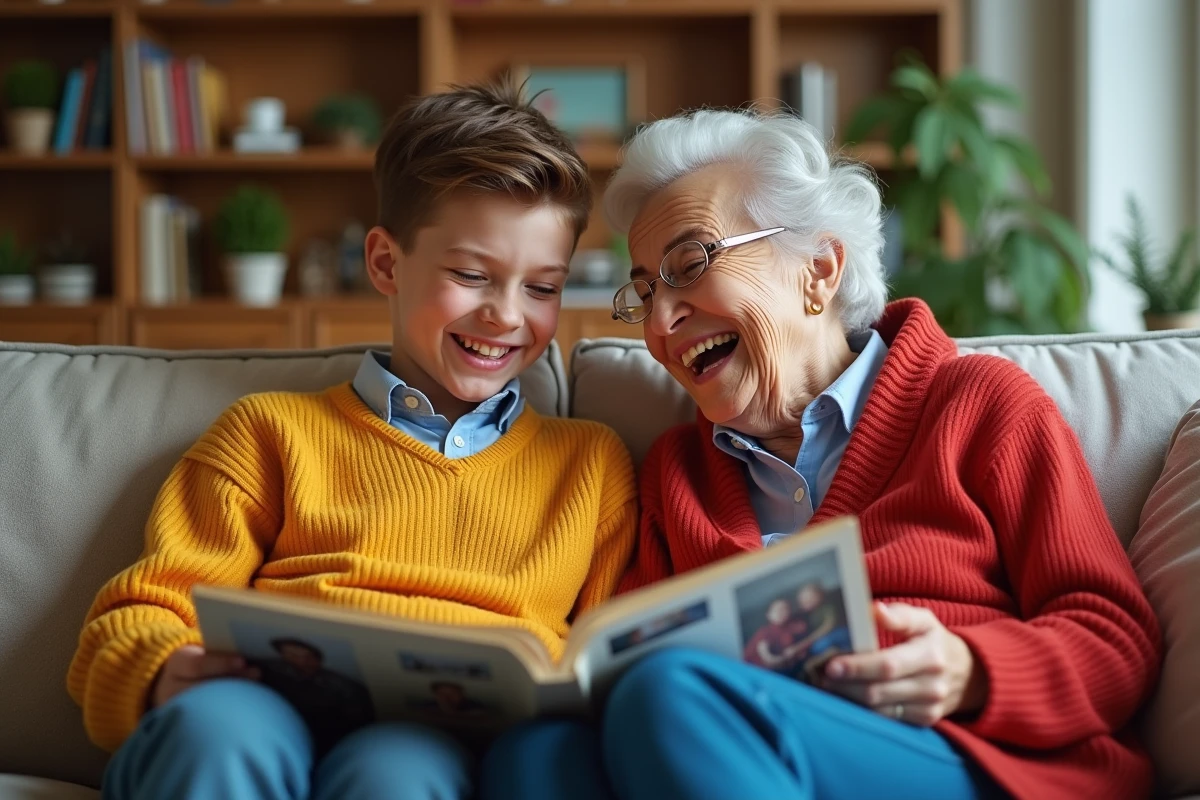
Grandmothers’ Day does not appear on any official calendar before the 1980s. Its creation is not the result of a centuries-old tradition or family consensus, but rather a marketing campaign orchestrated by the coffee industry. Unlike other celebrations, its date varies from year to year, following a rule set by its promoters rather than a cultural heritage.
In 2026, this day dedicated to grandmothers will take place on Sunday, March 1st. Over time, this commercial initiative has transformed into a much-anticipated family gathering, giving rise to rituals and a search for specific gift ideas.
Grandmothers’ Day in 2026: what date to remember and why celebrate it?
Sunday, March 1, 2026, will mark the next edition of Grandmothers’ Day in France. For nearly forty years, this day has established itself in the family landscape, without religious roots or popular customs, but thanks to a marketing idea that has eventually become ingrained in habits. Today, it has freed itself from its commercial origins to become a moment to pay tribute to those who continue to weave family ties.
The notions of family, intergenerational bonds, and transmission take on their full meaning, as the celebration reminds us of the unique place of grandmothers, the memories they share, and the anchors they provide.
Like Grandchildren’s Day, celebrated on the first Sunday of November, Grandmothers’ Day invites a fresh look at the diversity of family structures and rituals across Europe. Rarely mentioned in France, the date of Grandchildren’s Day offers a complementary vision: to encourage dialogue between generations, share values, and support the elderly who are gradually losing their autonomy. These are societal issues that become more pressing as demographics change and family dynamics evolve.
Recognizing this day is also a way to reaffirm the importance of the family foundation, whatever its forms. For both children and adults, it is a moment to express their gratitude to those who pass on family memory. Gatherings take place in all regions, from Paris to Lyon, from Bordeaux to Marseille, to share a meal, offer a smile, or revive both old and reinvented traditions.
Gift ideas to please your grandmother and mark this day
At the time of Grandchildren’s Day, the choice of gift reflects the attention given to the unique bond between generations. Here are some ideas to express your attachment in a sincere and touching way:
- A handwritten greeting card, signed by a child or teenager, touches with its simplicity and authenticity.
- A homemade gift, such as a photo album, a family recipe book, or a personalized poem, reminds us that sentimental value matters much more than the price tag.
- For grandmothers whose health requires special attention, everyday items designed for their comfort, like ergonomic cushions, soft blankets, or grocery delivery services, provide tangible comfort.
- The discreet yet essential support of home helpers, life assistants, nurses, and caregivers embodies, day by day, an irreplaceable human connection, enhancing the well-being and quality of life of our elders.
Some shared moments remain etched in memory for a long time: preparing a family meal, organizing an Easter egg hunt, or reading a favorite novel together create memories that everyone will cherish. Some opt for a subscription to a magazine, a puzzle to assemble together, or a plant to grow with patience. More than just an object, the gift serves as an excuse for exchange, sharing, and the bond that unites the whole family.
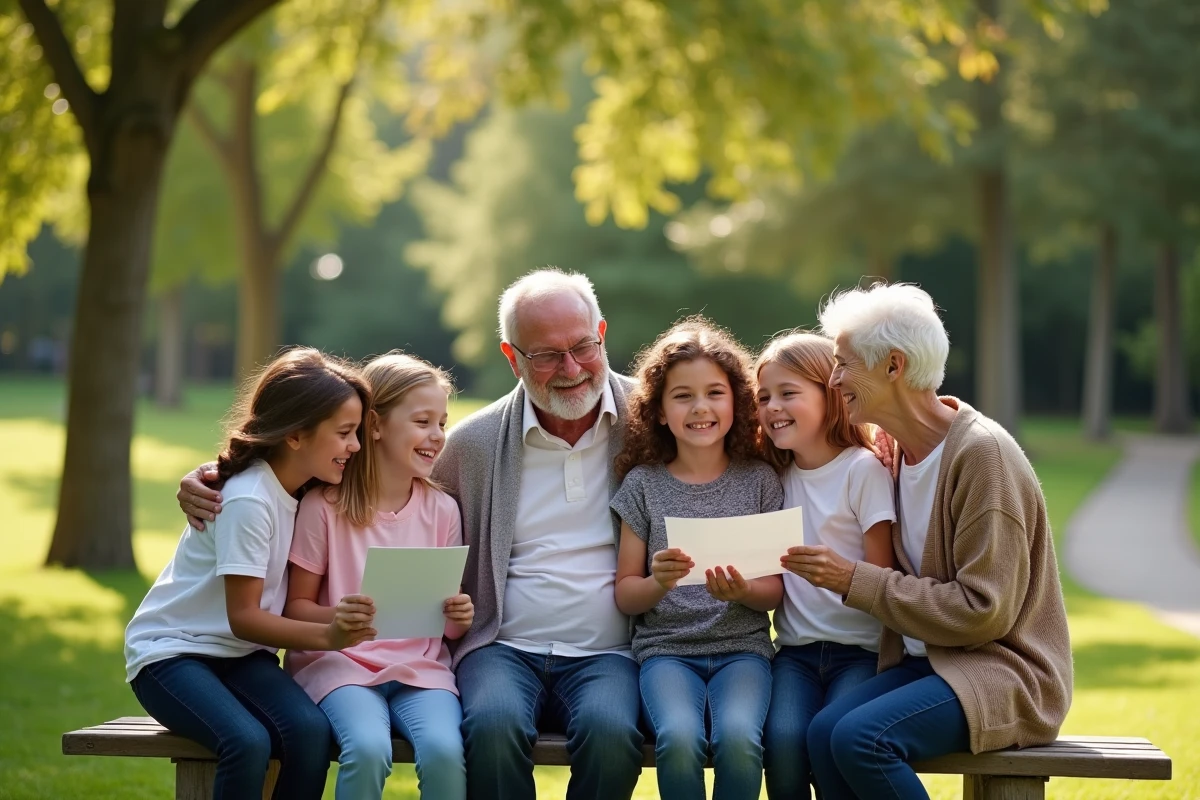
The sometimes surprising origins of Grandmothers’ Day and its importance today
Grandchildren’s Day is part of an international dynamic, born from multiple initiatives that sometimes come from unexpected backgrounds. As early as the 1980s in the United States, the idea of a day dedicated to intergenerational bonds developed, emphasizing the sharing of memories and support for elderly individuals in vulnerable situations. This inspiration crossed the Atlantic and quietly settled in France, where family remains a pillar of society.
But the panorama does not stop at France. Several countries celebrate, each in their own way, the bond between generations: Kodomo no Hi in Japan on May 5, International Children’s Day in early June in China or Ukraine, or World Children’s Day every November 20 under the auspices of the UN. These events, sometimes little known, remind us of the strength of transmission and solidarity between young and old.
On October 1, International Day of Older Persons declared by the UN highlights the social and familial role of the elderly, while underscoring the challenges posed by aging in our societies. Traditions never really freeze: they transform, adapt to current realities, and illustrate the deep attachment to family values, the recognition of each individual, and the unique place each occupies in the family circle.
In the end, it is not just a date on a calendar: it is living proof that each generation, in its own way, leaves a mark. Perhaps, in a few years, other rituals will emerge, but the essence will remain this invisible, solid bond between ages.