
Car insurance is about more than choosing between three standard plans. According to SRA, the average cost of collision repairs rose between 2021 and 2025, and that increase affects premiums for all policyholders, including those who have not filed a claim. Choosing the right coverage means understanding what drives the cost of a policy and identifying the benefits that genuinely protect your circumstances.
Repair costs and electric vehicles: what your premium doesn’t tell you
Rising car insurance rates are not solely a reflection of your driving history. Your no-claims bonus-malus coefficient is just one of several factors used to calculate your premium. The general increase in the cost of spare parts, where the vehicle is parked, and its make and model can carry just as much weight, if not more.
For electric car owners, the issue is even more pressing. Repairs to these vehicles involve costs associated with batteries and the technical complexity of the work—factors known to increase the cost of a claim. Standard comprehensive coverage may therefore prove insufficient if the policy caps battery compensation or excludes certain types of specialist repairs.
Before taking out a policy, check three points in the policy schedule: how battery claims are compensated, any caps on electric powertrain components, and which approved repairers are covered by the policy. If your vehicle’s battery is worth several thousand euros, it’s worth reading these clauses carefully.
Policies such as City Automobiles car insurance offer plans that take these technical specifics into account, helping you avoid an unexpectedly large out-of-pocket bill after a claim.
Car insurance excess: the catch behind a low premium
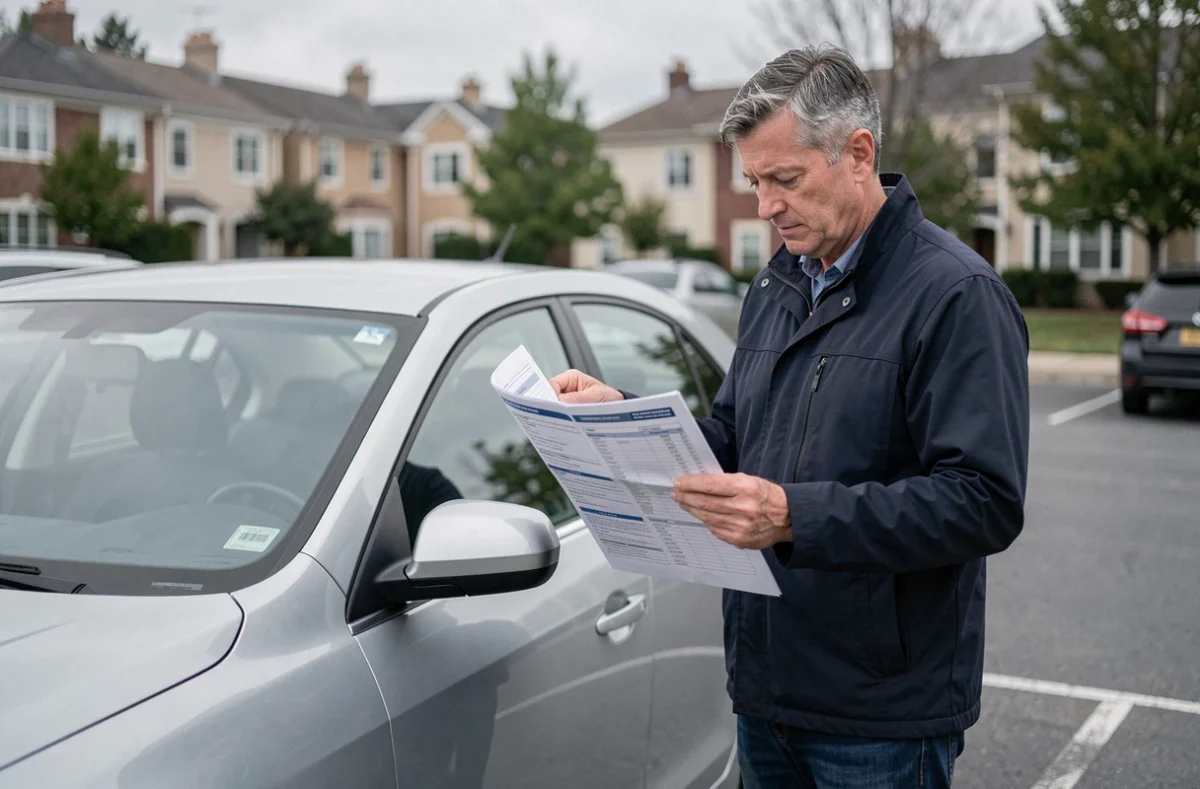
The excess is the amount you have to pay after each claim. The higher it is, the lower your monthly premium. This may seem like a good deal on paper, but it can create a real problem.
Consider a common scenario: an excess of several hundred euros on a recent vehicle. If repairs after a collision cost significantly more than that, the insurer covers the difference. But for a minor claim (a damaged bumper or a torn-off wing mirror), the excess may cover almost the entire repair bill, making it pointless to file a claim.
Before choosing an excess, consider the following:
- Estimate how often you’ve had minor claims over the past three years (city parking, daily commutes in busy areas)
- Compare the annual savings on your premium with the amount you would have to pay for a typical claim
- Check whether the policy has different excesses for different types of damage (glass breakage, theft, collision), as these amounts often vary by coverage
Drivers who park in city centres and use their vehicles every day are statistically more likely to suffer minor damage. In that case, a low excess offers better protection for your budget, even if the monthly premium is slightly higher.
Third-party, intermediate or comprehensive car insurance: choosing the right level for your vehicle’s value
Third-party insurance is the legal minimum. It covers damage you cause to others but pays nothing towards damage to your own vehicle. Intermediate coverage adds benefits such as theft, fire and glass breakage. Comprehensive coverage also covers damage to your vehicle, including when you are at fault.
Your vehicle’s current market value is the deciding factor. Comprehensive coverage is generally not worthwhile for a car that is more than ten years old and has a low Argus valuation: if it is written off, compensation will be based on that valuation, not the purchase price.
By contrast, a recent vehicle or an electric model with expensive-to-replace components calls for broader coverage. Intermediate coverage is often a good compromise for vehicles aged three to seven years, provided you check that theft and glass-breakage cover are included without an excessive excess.
The natural disaster surcharge: an invisible cost
The natural disaster surcharge changed in 2025. This regulatory increase applies to all policies, regardless of the coverage selected by the policyholder. It may not always be clearly itemised on the initial quote, but it contributes to the final premium. If the price you’ve been quoted seems unusually high, ask your insurer to break down this charge.

Compare car insurance policies with equivalent coverage
A maximum no-claims bonus does not guarantee a lower bill at renewal. The insured vehicle, where it is parked and general rate increases can offset the effect of your bonus. It’s still worth comparing policies with equivalent coverage and excesses, even after several years without an at-fault accident.
For a reliable comparison, make sure these details match across each quote:
- The same level of coverage (third-party, intermediate or comprehensive)
- The same excess for each type of claim
- The same compensation limits, particularly for a replacement vehicle and legal expenses cover
- The same roadside assistance terms (distance limits and whether assistance at home is included)
A price difference between two quotes is only meaningful if these details are the same. A cheaper policy with twice the excess or a lower roadside assistance limit does not represent a genuine saving.
Green cards abolished: check the insured vehicle register
The green card and insurance disc have been abolished for vehicles registered in France. Checks are now carried out using the insured vehicle register (FVA). After taking out a policy or switching insurers, check that your vehicle appears in the register to avoid any issues during a roadside check.
Choosing car insurance means balancing an affordable excess against your vehicle’s actual value and the technical specifics that affect repair costs. Electric vehicle drivers have one extra factor to watch: the terms for battery claims, which can turn a minor incident into a hefty bill.